The three kinds of check
1. Originality reference
For many medicines, the manufacturer's official label describes exactly what genuine tablets look like: colour, shape, coating and imprint. DrugTrace.pk retrieves these descriptions, and international recall records, from openFDA, the U.S. FDA's public-domain database, so you can compare them with the medicine in your hand.
2. Batch alert check
When DRAP finds a fake (spurious) batch, a batch that failed laboratory testing, an unregistered product, or orders a recall, it publishes a notice. We import these notices and match your batch number against them. Batch numbers are compared ignoring case, spaces, dashes, dots and slashes, and we always show you exactly what was matched.
3. Pack-level (serialization) check
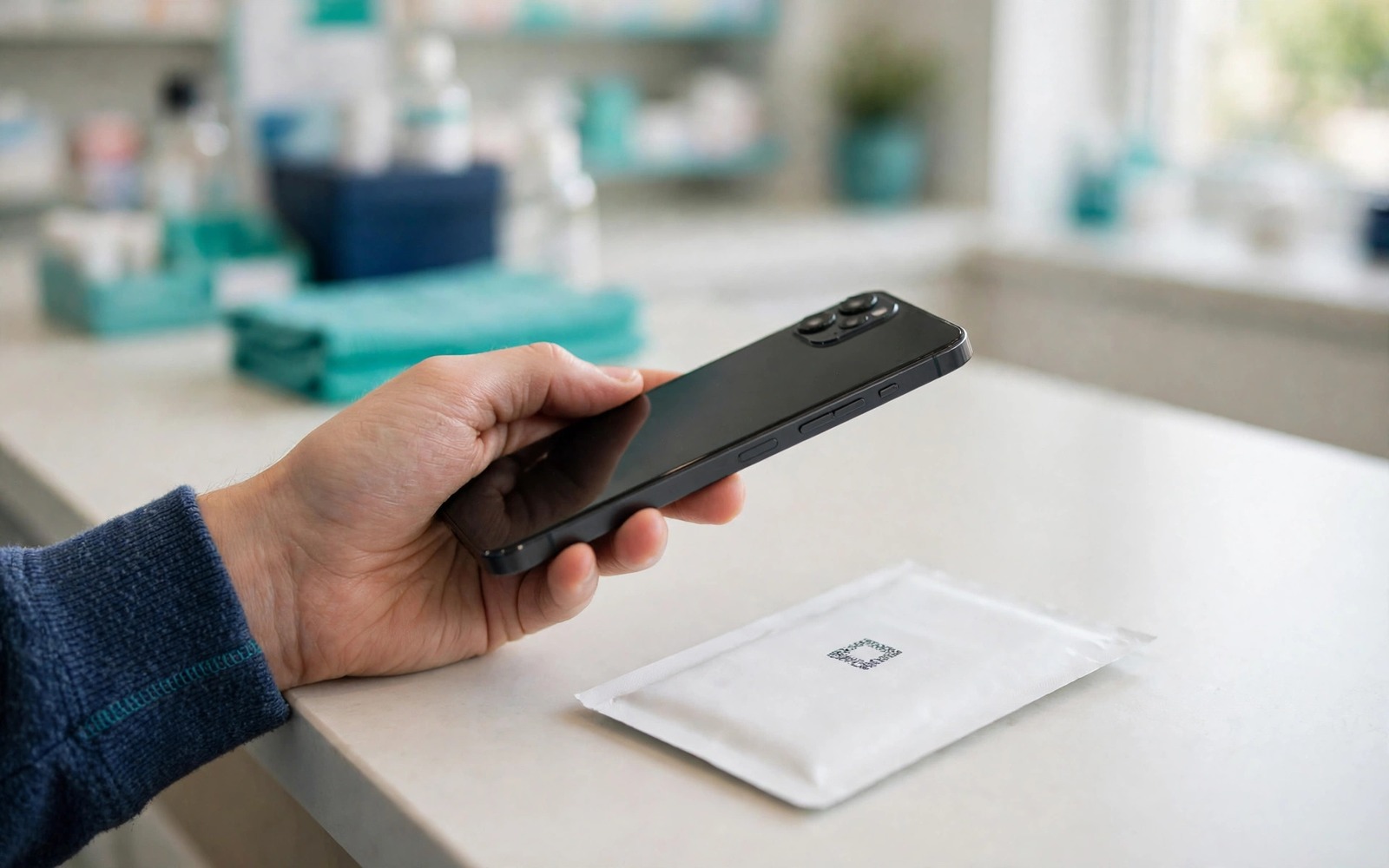
Newer packs carry a 2D DataMatrix or QR code holding a unique serial number. The official DRAP track-and-trace system (drugtrace.dra.gov.pk) can check whether that exact serial was issued to that exact pack. This is the only check designed to verify an individual box. DRAP does not currently publish a public API for this system; DrugTrace.pk has a ready integration adapter and will connect it if and when authorized access is granted. Until then, our scanner decodes your pack's code on your device and sends you to the official portal for the originality check.
What each result means
- Official alert match — your batch number matches a published DRAP notice. Compare the product name and manufacturer with your pack, and do not use the medicine if they match.
- No matching record — no alert was found in our dataset. This is not proof the medicine is genuine; it only means nothing matched in the data available to us.
- Possible identifier mismatch — your input partially resembles an alert record. Check the details carefully rather than assuming either way.
- Expiry concern — the expiry date you entered has passed. Do not use expired medicine.
- Service unavailable — we could not complete the check; nothing can be concluded from this state.
Why a barcode alone cannot prove authenticity
A retail barcode (EAN-13) identifies a product line — every genuine and every counterfeit copy of the same box can carry the same barcode. Counterfeiters photocopy packaging, including barcodes and registration numbers. That is why only per-pack serialization, checked against the issuing authority's database, can speak to an individual pack's originality.
Where our data comes from
Our methodology and the full source investigation are documented openly: prices and alerts are imported from official DRAP publications with their source links and dates preserved, and every result tells you which dataset it was checked against and when that dataset was last updated. We never invent records, and development test data is always labeled as such. See also our disclaimer and about page.