01
Spurious (counterfeit)
Fake products imitating a real brand. The most serious: content is unknown.
Pakistan's Medicine Verification Platform· Independent, not part of DRAP
DRAP helpline: 0800-03727 Alerts updated Nov 11, 2026
Recalls explained
A recall removes a medicine batch from pharmacies and homes because it may be unsafe, ineffective or wrongly labelled. Knowing how recalls work helps you act quickly and calmly when one affects your family.

Quick answer
In Pakistan, medicine recalls are ordered by DRAP or initiated by the manufacturer when a batch is found substandard, spurious, contaminated or mislabelled. To check, enter the product and batch number in our batch alert check or browse the DRAP alerts list. If your batch is recalled, stop using it (unless a doctor advises otherwise), keep the pack, and return it to the pharmacy.
Why medicines get recalled
Recalls cover everything from counterfeit products to a genuine batch with a printing error. Knowing the reason tells you how worried to be. See also spurious vs substandard.
01
Fake products imitating a real brand. The most serious: content is unknown.
02
Genuine manufacturer, but the batch failed tests for strength, purity or dissolution.
03
Microbial, particulate or chemical contamination, especially serious for injections, eye drops and syrups.
04
Wrong strength, missing warnings or wrong expiry printed. The medicine may be fine but misuse is a risk.
05
Faulty seals, leaking containers or broken child-resistant closures.
06
The batch degrades faster than expected before its expiry date.
Step by step
Recalls apply to specific batches. Check that the B.No on your pack exactly matches the recall. See reading batch numbers.
For heart, epilepsy, diabetes, transplant or similar medicines, call your doctor first. They can switch you to an unaffected batch safely.
Take the pack and receipt back. Licensed pharmacies must quarantine recalled stock and can usually replace it with a safe batch.
If you've taken a spurious or contaminated batch, watch for side effects and see a doctor. Our guide explains what to watch for.
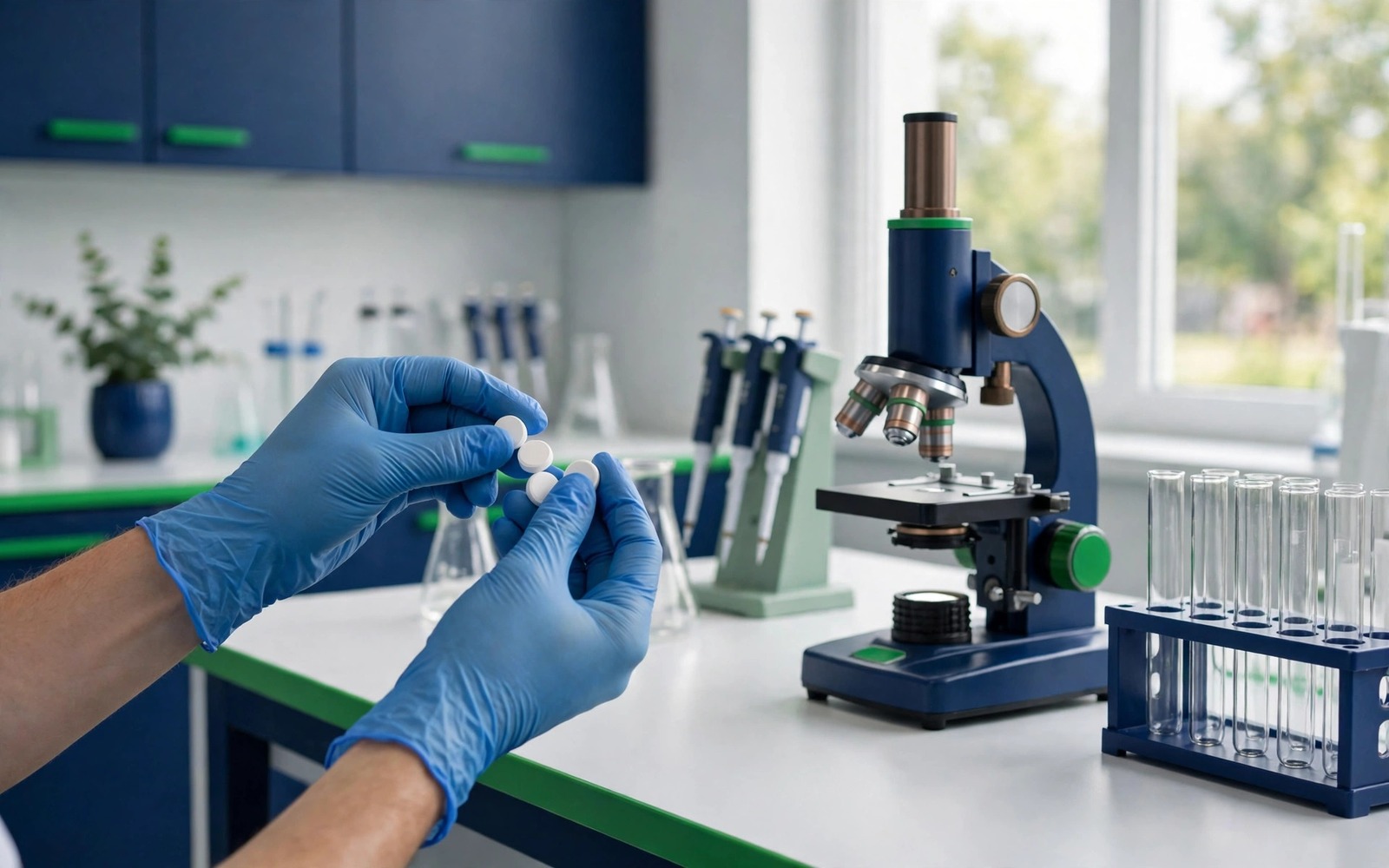
Regulators worldwide, including DRAP, classify recalls by risk. The class determines how far down the supply chain a recall must reach: to distributors only, to pharmacies, or all the way to patients.
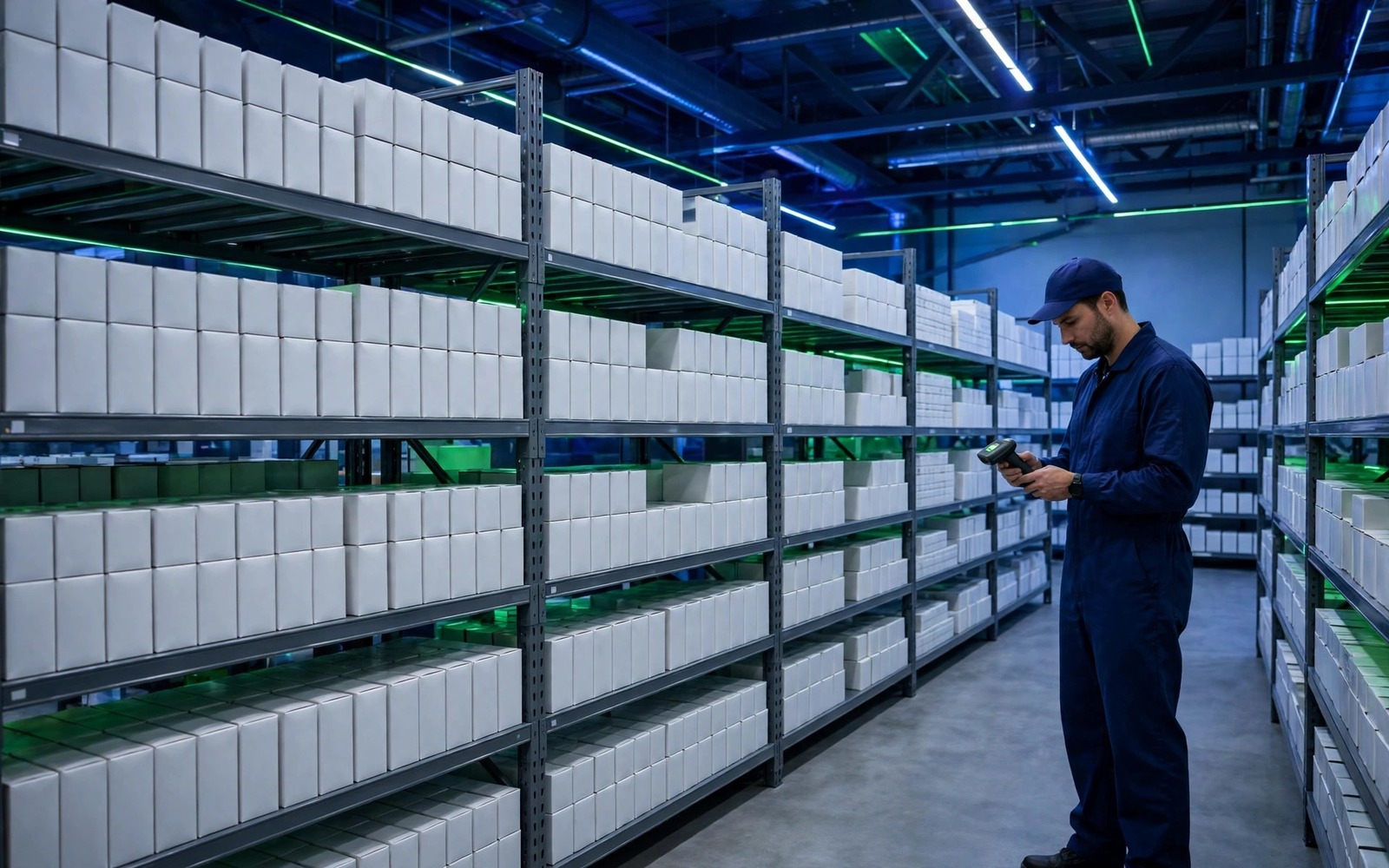
DRAP publishes recall and rapid alert notices on its website and notifies manufacturers, distributors and provincial health departments. Provincial drug inspectors then check that pharmacies have removed the stock. News outlets often report the most serious alerts.
The weak link is the medicine already in people's homes. That's why checking batches yourself matters, especially for medicines you buy in bulk or keep for months. Our alerts list gathers 2026 notices in one searchable table.

Imported brands may be recalled abroad before or without a Pakistani notice. Our originality reference searches US FDA enforcement reports (via openFDA) by product and lot, which can flag international recalls of imported products.
A recall elsewhere does not automatically mean Pakistani stock is affected, since batches differ by market, but it's a good reason to ask your pharmacist.
DRAP uses several notice types. Here's how they differ for patients.
| Notice | Meaning | What you do |
|---|---|---|
| Product recall | Batch withdrawn from the market | Stop (after medical advice), return to pharmacy |
| Rapid alert: spurious | Counterfeit product found in circulation | Stop, keep pack, report |
| Rapid alert: substandard | Genuine product failed quality tests | Stop, return, ask for replacement |
| Safety communication | New risk information on a medicine | Talk to your doctor; don't stop on your own |
Important
Stopping insulin, anti-epileptics, heart or transplant medicines suddenly can be more dangerous than one recalled batch. Call your doctor or pharmacist the same day; they can usually swap you to a safe batch immediately.
Direct answers about medicine recall Pakistan.
Enter the product and batch in our batch alert check, browse the alerts list, or check DRAP's recall notices.
DRAP orders recalls; manufacturers can also initiate voluntary recalls. Provincial drug inspectors enforce removal from pharmacies.
Licensed pharmacies usually replace or refund recalled stock, especially with a receipt. Policies vary.
No. Recalls target specific batch numbers. Other batches of the same brand are normally unaffected.
No. Return it to the pharmacy. Medicines shouldn't go in household waste, and spurious stock is evidence.
Updated 11 November 2026. DrugTrace.pk is independent and not affiliated with DRAP.
Topic hub
Every 2026 fake and recalled batch, and what to do if you have one.
Related topics
 Taking action
A plain-language roundup of notable DRAP rapid alerts published in 2026: what was found, which batches, and what to do if you have them.
6 min read
 Basics
Spurious, falsified, counterfeit, substandard, adulterated, misbranded: plain-English definitions of the words used in Pakistani drug alerts.
4 min read
 Taking action
Calm, step-by-step guidance on symptoms to watch, when to see a doctor, how to replace your treatment and how to report the product.
6 min read