01
Unique pack serials
Manufacturers print a randomised serial on each pack, encoded in a GS1 2D DataMatrix with the GTIN, batch and expiry. No two genuine packs share a serial.
Pakistan's Medicine Verification Platform· Independent, not part of DRAP
DRAP helpline: 0800-03727 Alerts updated Nov 11, 2026
DRAP traceability explained
DRAP's track and trace system gives individual medicine packs a unique, scannable identity so a genuine pack can be followed from factory to pharmacy and a copied code can be caught. Here is how it works and how to use it today.
Quick answer
The drug track and trace portal is DRAP's official system for verifying serialised medicine packs in Pakistan. Each enrolled pack carries a 2D DataMatrix code holding its product code (GTIN), unique serial number, batch and expiry. Scanning it or entering the serial at drugtrace.dra.gov.pk tells you whether DRAP's system recognises that exact pack.
What the system does
Track and trace (also called serialisation and traceability) moves medicine checks from the batch to the individual pack. Batch alerts tell you a whole production run is bad; track and trace tells you whether your box is one the manufacturer really made.
01
Manufacturers print a randomised serial on each pack, encoded in a GS1 2D DataMatrix with the GTIN, batch and expiry. No two genuine packs share a serial.
02
Serials are uploaded to DRAP's central repository. A scan checks the code against what the manufacturer reported, not just against what is printed.
03
As packs move to distributors and pharmacies they can be scanned in and out, building a history that makes diversion and re-entry of stolen stock visible.
04
Counterfeiters copy codes from real packs. When the same serial is verified in two places, or after it was dispensed, it can be flagged as suspicious.
05
Because affected serials and batches are known precisely, recalls and rapid alerts can target the right stock rather than whole product lines.

06
Patients can verify a serial on the public portal or with DRAP's Mehfooz Dawa app. See our Mehfooz Dawa guide.
Step by step
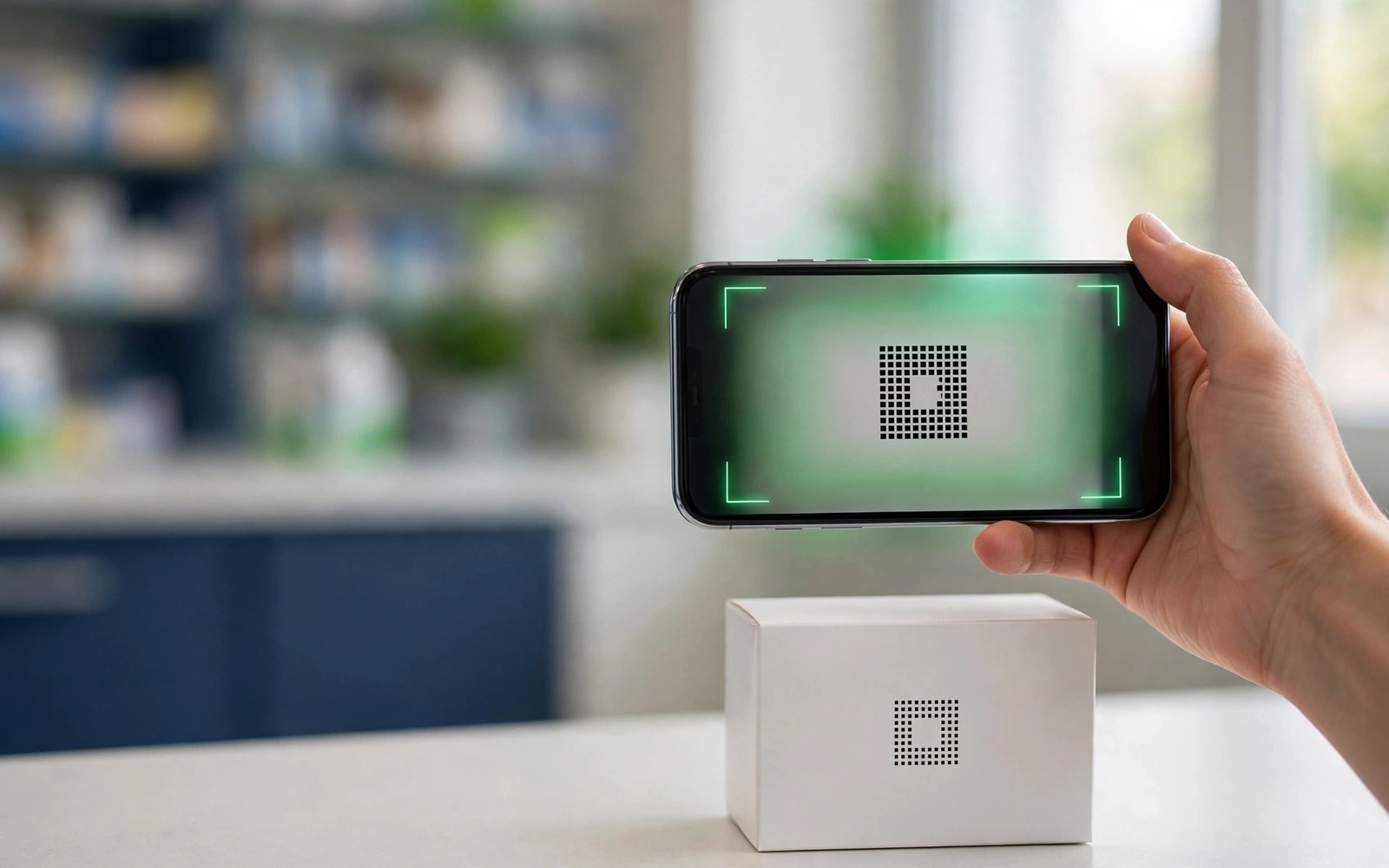
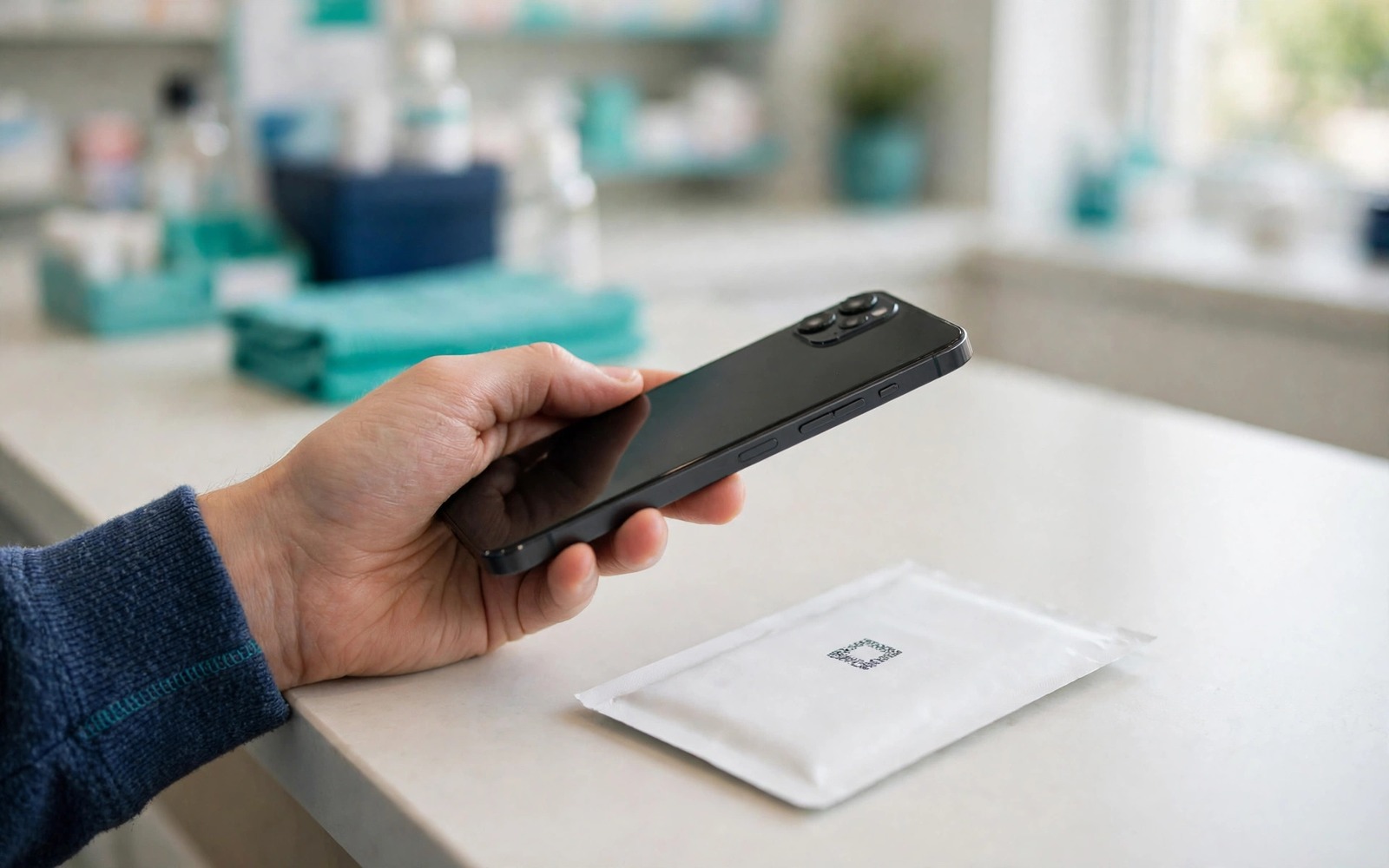
Look for a small square DataMatrix code on the carton, usually next to the printed GTIN, serial (SN), batch (B.No) and expiry. A plain 1D barcode is not a track and trace code.
Note the serial and batch printed next to the code. You will compare these with what the scan returns. Our 2D code decoder shows what the code contains.
Open drugtrace.dra.gov.pk or the Mehfooz Dawa app and scan the code or type the serial. Read the result carefully, including product name and batch.
Run the batch through our fake & batch alert check and inspect the pack with the checklist. A clean scan plus a clean pack is the strongest result.
For years the only consumer-level check in Pakistan was the batch number: if DRAP declared a batch spurious, anyone holding that batch knew to stop. But counterfeiters quickly learned to print real batch numbers on fake packs, and a batch can contain hundreds of thousands of units. A batch check cannot tell a genuine box from a perfect copy.
WHO estimates that around 1 in 10 medical products in low- and middle-income countries is substandard or falsified. Serialisation is the global answer: the EU, the United States, Turkey, Saudi Arabia and others now require it. DRAP's system brings Pakistan into line with these markets and gives regulators data they never had before.
A successful verification means the serial exists in DRAP's repository and matches the product and batch. That is strong evidence, but it is not absolute. A counterfeiter who copies a genuine code can produce a fake that scans correctly until the real pack is also scanned.
That is why the result should always be read alongside the physical pack. If the portal returns a different product name, a different batch or an expiry that does not match the carton, treat the pack as suspect even if the scan says the code is valid.

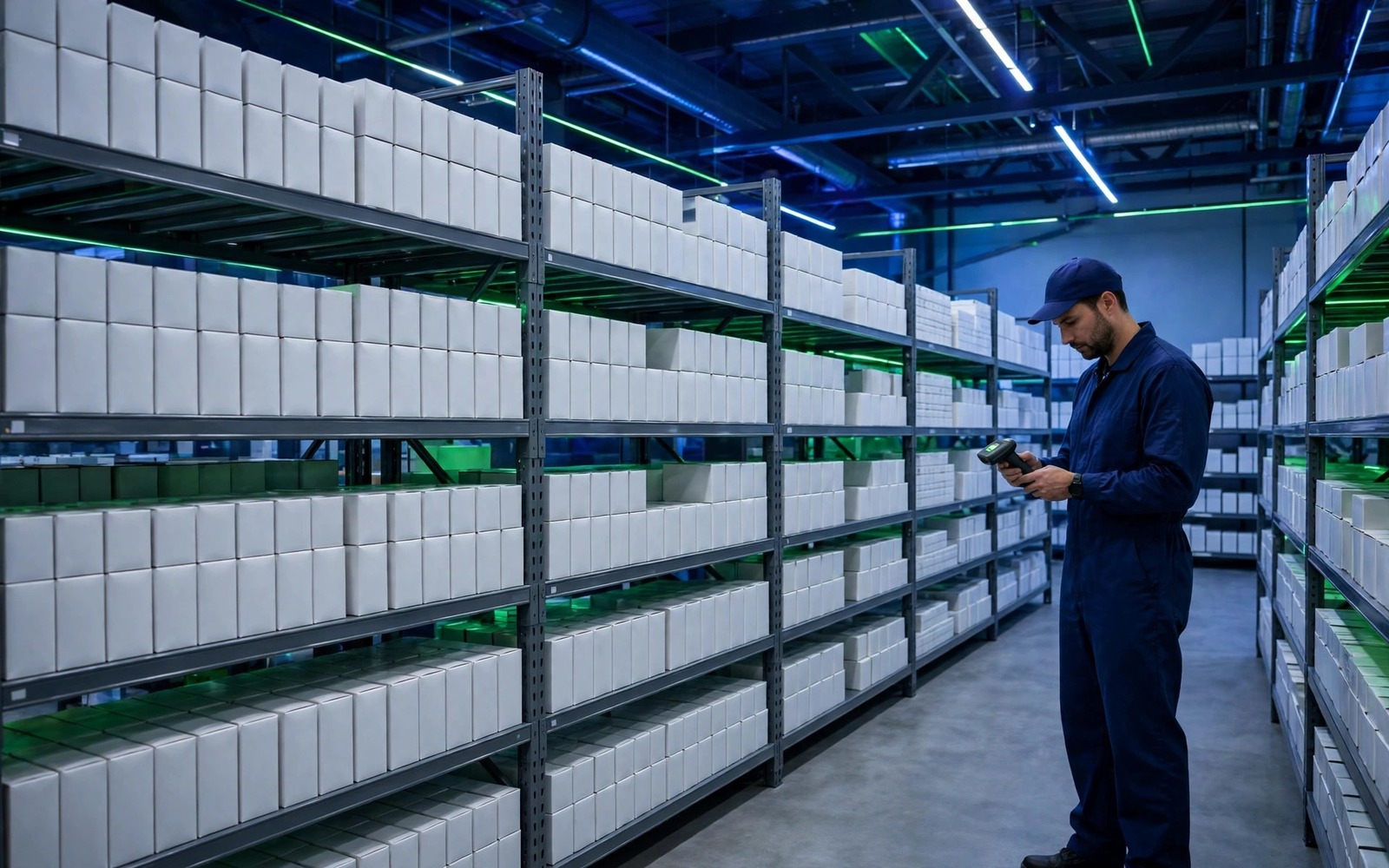
For licensed pharmacies, track and trace is both a protection and an obligation. Scanning stock on receipt catches diverted or counterfeit packs before they reach a customer, and a clean receiving record protects the pharmacy if a problem is later found.
Our pharmacist stock-screening guide sets out a practical receiving routine: scan the 2D code, compare the decoded batch and expiry with the print, check the batch against DRAP alerts, and quarantine anything that does not match.
Each check answers a different question. Use them together. See the complete 5-check method.
| Check | Level | Catches | Misses |
|---|---|---|---|
| Track and trace scan | Individual pack | Fake or copied serials, wrong product/batch | Products not yet serialised |
| DRAP batch alerts | Whole batch | Batches DRAP has tested and declared spurious | Fakes nobody has reported yet |
| Registration check | Product | Unregistered or smuggled products | Fakes of registered products |
| Pack inspection | Your pack | Poor print, broken seals, odd tablets | High-quality copies |
Important
Pakistan's rollout is phased, so many genuine products still carry only a printed batch and a 1D barcode. A missing 2D code does not by itself mean a medicine is fake. In that case rely on the batch alert check, the registration number and a careful pack inspection.
Direct answers about drug track and trace portal Pakistan.
It is DRAP's official verification system for serialised medicines. Each enrolled pack has a unique serial in a 2D DataMatrix code that can be checked at drugtrace.dra.gov.pk or in the Mehfooz Dawa app.
Yes. Verifying a pack as a patient is free. Manufacturers, distributors and pharmacies have separate registration and reporting obligations.
Not yet. Serialisation is being phased in, so many genuine products still only have a printed batch and a 1D barcode.
Briefly, yes, if the counterfeiter copied a genuine code. That is why you should compare the scanned product, batch and expiry with the carton and inspect the pack.
A 1D barcode only identifies the product type. A 2D DataMatrix track and trace code also contains a unique serial, batch and expiry. See checking a medicine barcode.
Keep the pack and receipt and contact DRAP on 0800-03727 or via its online complaint form. Our reporting page walks you through it.
Updated 11 November 2026. DrugTrace.pk is independent and not affiliated with DRAP.
Topic hub
DRAP's official serial verification: Mehfooz Dawa, the portal and 2D codes.
Related topics
 Using codes
What DRAP's track-and-trace system (Mehfooz Dawa) does, how to use it, its limits today, and how DrugTrace.pk complements it.
5 min read
 Using codes
How serialization works, what the GS1 fields inside the code mean, and how to verify a pack officially.
6 min read
Using codesWhat the barcode on your medicine can and cannot prove, how to scan the new 2D codes, and how to spot a copied or mismatched code.
6 min read