01
Price pressure
When prices rise or shortages hit, patients look for cheaper sources, and counterfeiters fill the gap.
Pakistan's Medicine Verification Platform· Independent, not part of DRAP
DRAP helpline: 0800-03727 Alerts updated Nov 11, 2026
The bigger picture
Fake and substandard medicines are a global problem that hits countries like Pakistan hardest. This overview brings together what is known about the scale, causes, legal framework and solutions, and what you can do today.
Quick answer
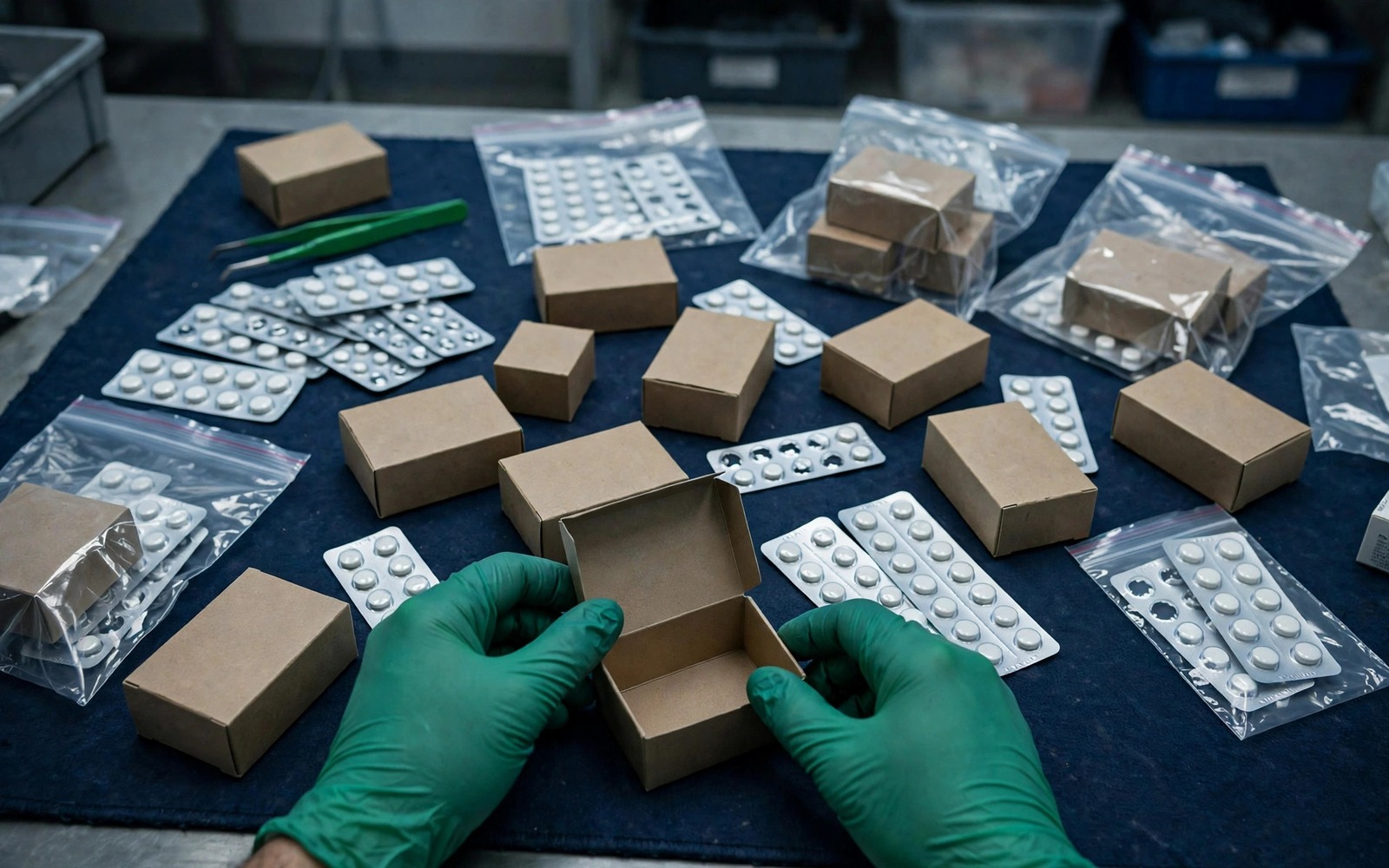
Counterfeit (spurious) drugs are a serious problem in Pakistan, as in many low- and middle-income countries, where WHO estimates about 1 in 10 medical products are substandard or falsified. Fakes in Pakistan have included vaccines, antibiotics, cancer drugs and common painkillers. DRAP fights them with lab testing, rapid alerts and a track and trace system, and patients can protect themselves with simple checks.
Why counterfeits spread
Fakes thrive where demand is high, prices are rising and supply chains are long. Understanding the causes explains which medicines and outlets carry the most risk. See high-risk medicines.
01
When prices rise or shortages hit, patients look for cheaper sources, and counterfeiters fill the gap.
02
Many wholesalers and sub-distributors create points where fake stock can be mixed in.
03
Unlicensed medical stores and social-media sellers operate with little oversight. See pharmacy licence checks.
04
Without serialisation, a good printer can reproduce a carton convincingly.
05
Buying antibiotics and injections without a prescription removes a professional check.
06
Drug testing labs can only sample a fraction of what's sold, so detection relies on reports.
Step by step
Ask for a receipt every time. Check the pharmacy licence if you're unsure.
Run the batch through our alert check, especially for injections, antibiotics and expensive medicines.
Scan the 2D code at drugtrace.dra.gov.pk and compare the result with the print.
Call DRAP on 0800-03727. Reports are how many fakes are found.
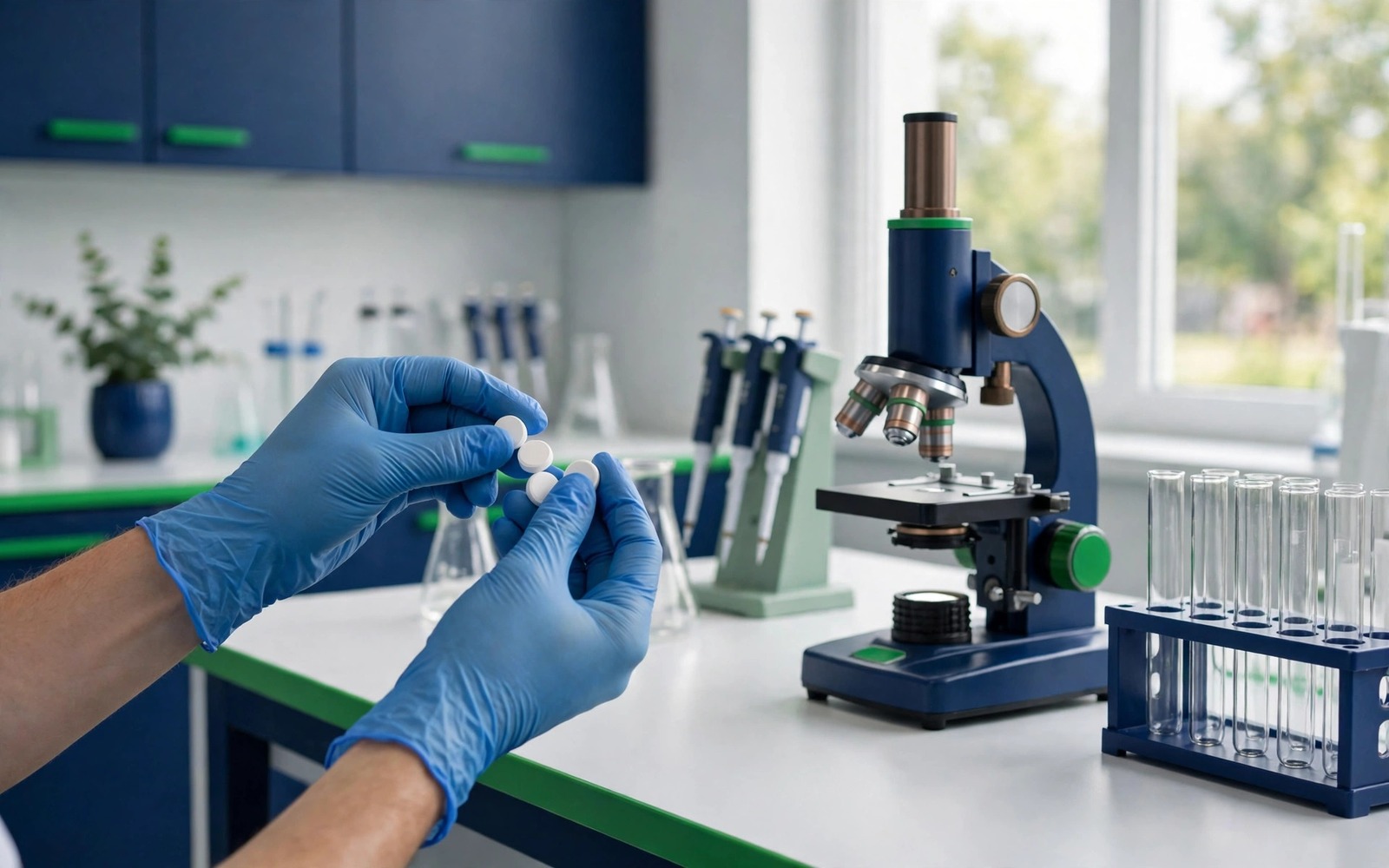
DRAP's 2026 alerts show that no category is immune. Our alerts list includes falsified vaccines (Influvac Tetra), antibiotics (Augmentin 625, Velosef, cefixime), specialist cancer medicines (Enhertu) and everyday painkillers such as Brexin.
The pattern matches global experience: counterfeiters target high-value products (cancer, biologics), high-volume products (antibiotics, painkillers) and products patients can't easily inspect (injections, vaccines).
The Drugs Act 1976 defines spurious, substandard, adulterated and misbranded drugs and makes manufacturing or selling them an offence. The DRAP Act 2012 created the Drug Regulatory Authority of Pakistan to regulate registration, pricing, quality and enforcement nationally, while provinces license and inspect retail outlets.
Penalties for spurious drugs are among the most serious under the Act, and drug courts hear these cases. In practice, enforcement depends on detection, which is why lab testing, inspections and public reports all matter.
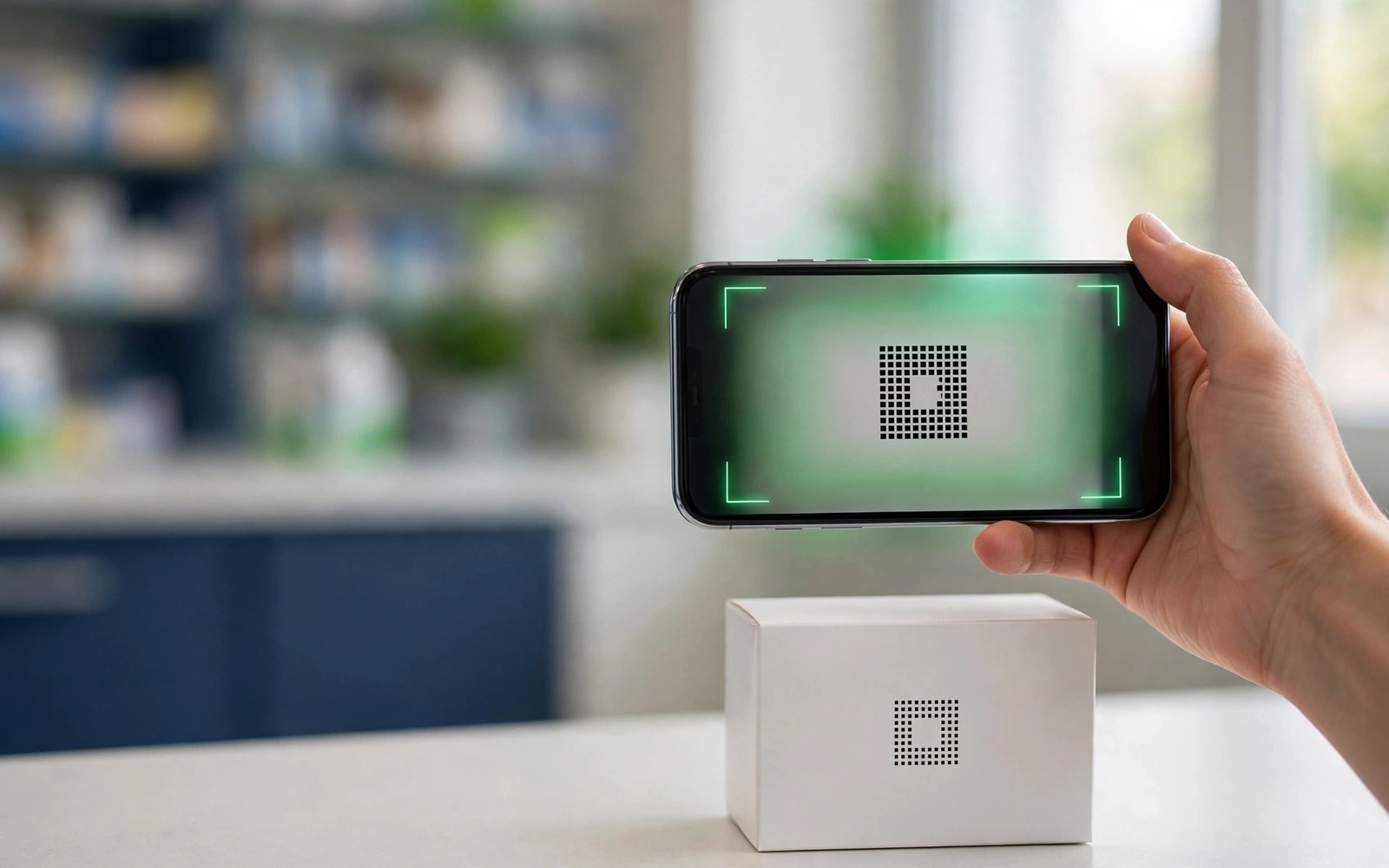
Serialisation gives each genuine pack a unique, centrally recorded identity. A counterfeit can copy a code, but it can't stop the genuine pack also being scanned. Duplicate scans expose the copy. Combined with supply-chain scanning by distributors and pharmacies, it makes inserting fakes into the legitimate chain much harder.
The rollout is phased, so for now patients still need batch checks and pack inspection alongside it. Read the full explainer on the drug track and trace portal.
Different words for different problems. More in our spurious medicine guide and glossary.
| Term | Meaning | Example |
|---|---|---|
| Spurious / counterfeit | Imitates another product or manufacturer | Fake Augmentin with a copied carton |
| Falsified (WHO term) | Deliberately misrepresents identity, composition or source | Vaccine with false labelling |
| Substandard | Genuine, authorised product that fails quality specs | Batch with too little active ingredient |
| Unregistered | Not authorised for sale in Pakistan | Smuggled imported brand |
| Adulterated | Contaminated or containing harmful substances | Syrup with toxic contaminants |
Important
Pharmacists noticing odd packs, doctors noticing treatments failing, patients noticing blurred print. Every check you do and every report you make strengthens the system. Start with the 5-check method.
Direct answers about counterfeit drugs in Pakistan.
There's no single precise national figure. WHO estimates about 1 in 10 medical products in low- and middle-income countries are substandard or falsified, and DRAP issues regular alerts on spurious batches.
Manufacturing or selling spurious drugs is a serious offence under the Drugs Act 1976, with imprisonment and fines handled by drug courts.
Injectables and vaccines, antibiotics, cancer drugs and popular painkillers. See high-risk medicines.
Yes: lab testing, rapid alerts, recalls, inspections and the national track and trace system.
Combine a batch alert check, a serial check on DRAP's portal and a pack inspection. Start at verify a medicine.
Updated 11 November 2026. DrugTrace.pk is independent and not affiliated with DRAP.
Topic hub
What fake, spurious and substandard medicines are and how they are caught.
Related topics
 Basics
Spurious, falsified, counterfeit, substandard, adulterated, misbranded: plain-English definitions of the words used in Pakistani drug alerts.
4 min read
 Taking action
A plain-language roundup of notable DRAP rapid alerts published in 2026: what was found, which batches, and what to do if you have them.
6 min read
 Spotting fakes
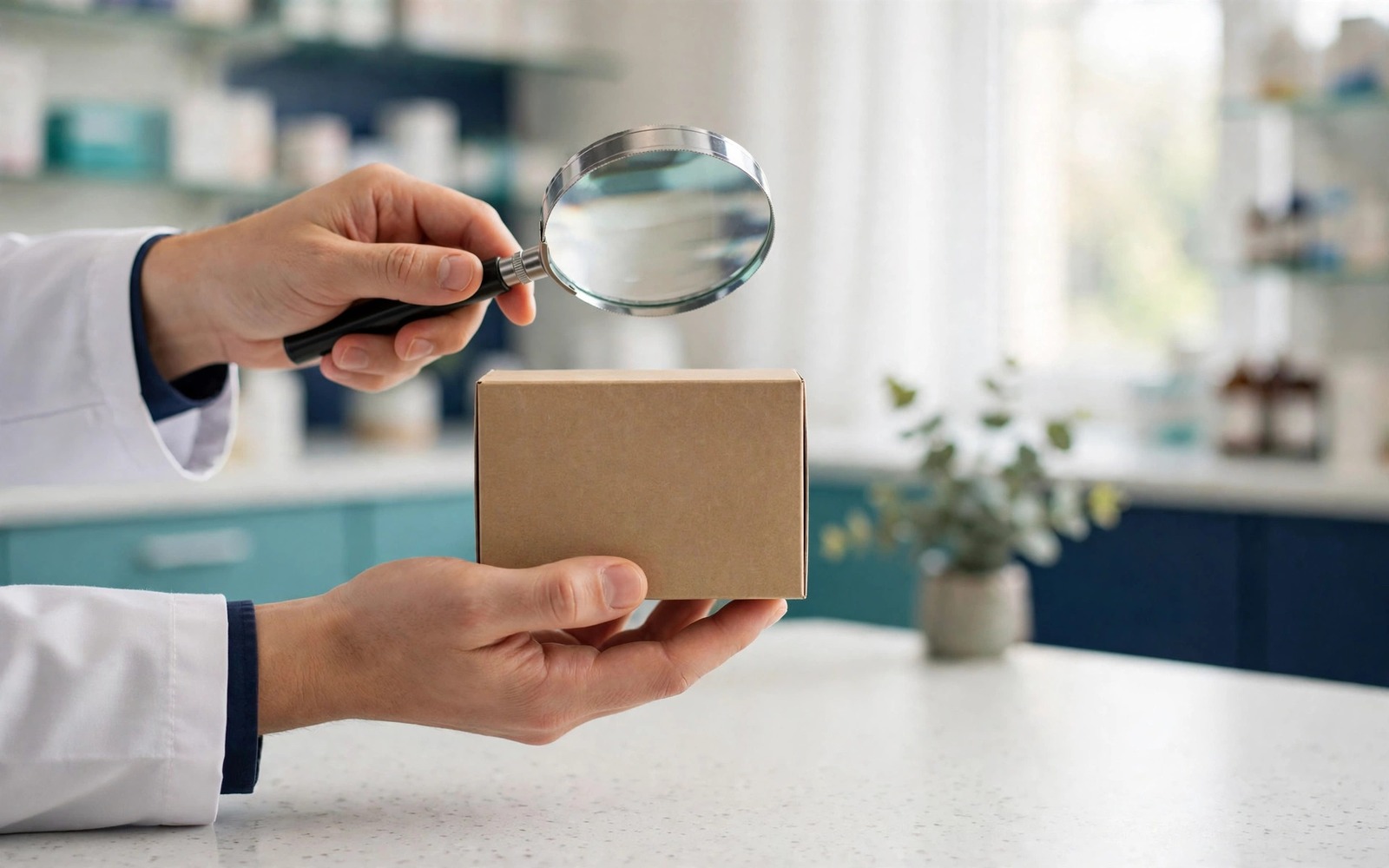
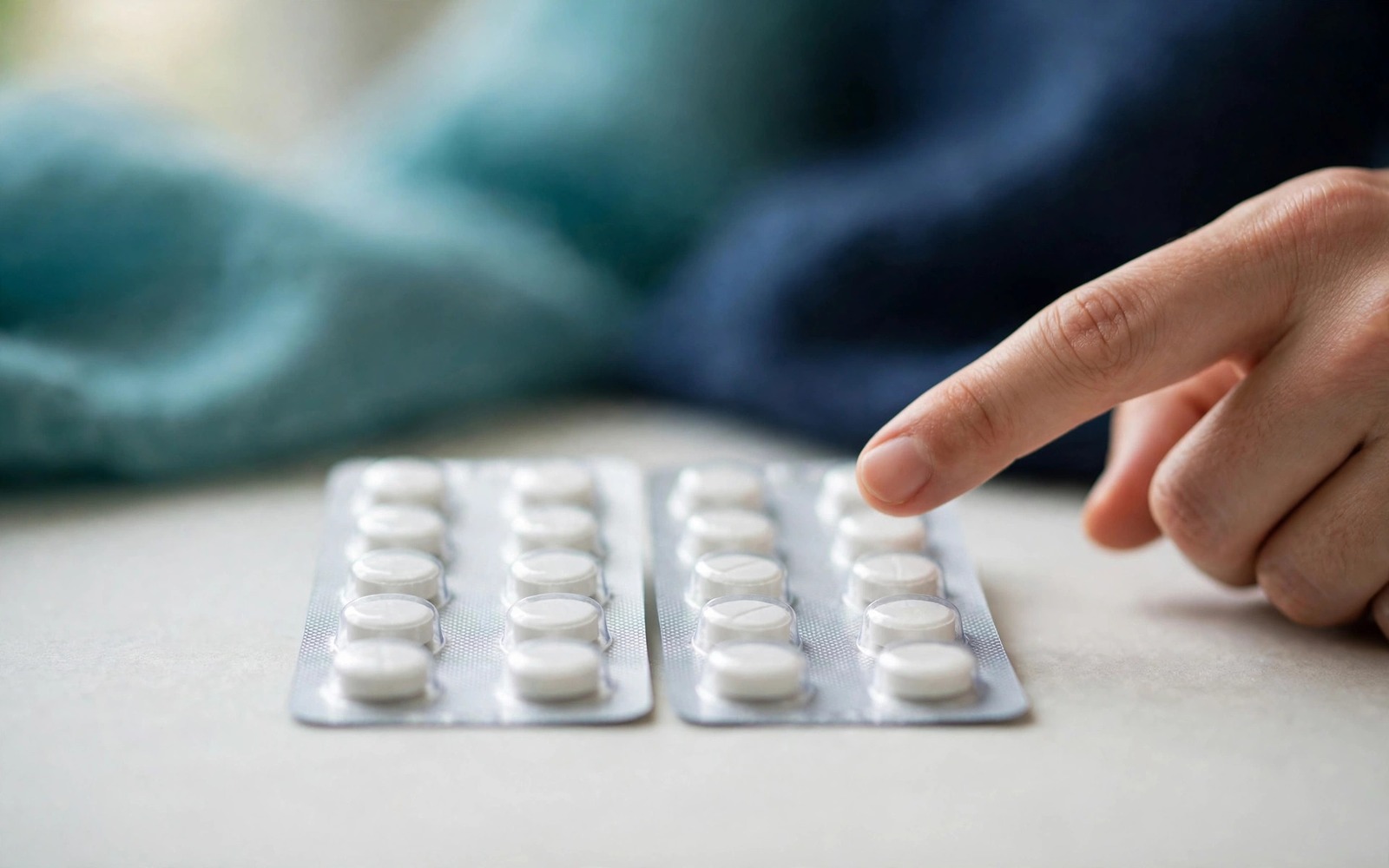
A step-by-step inspection routine for packaging, print quality, seals and the tablets themselves — the same checks pharmacists use.
8 min read