01
Identity
Is the right active ingredient present at all? Counterfeits often contain none, or a cheaper substitute.
Pakistan's Medicine Verification Platform· Independent, not part of DRAP
DRAP helpline: 0800-03727 Alerts updated Nov 11, 2026
Behind every alert
Every DRAP spurious or substandard alert starts with a laboratory result. Here's how samples reach the lab, what analysts test for, and why the lab's verdict is the only real proof of what's inside a tablet.
Quick answer
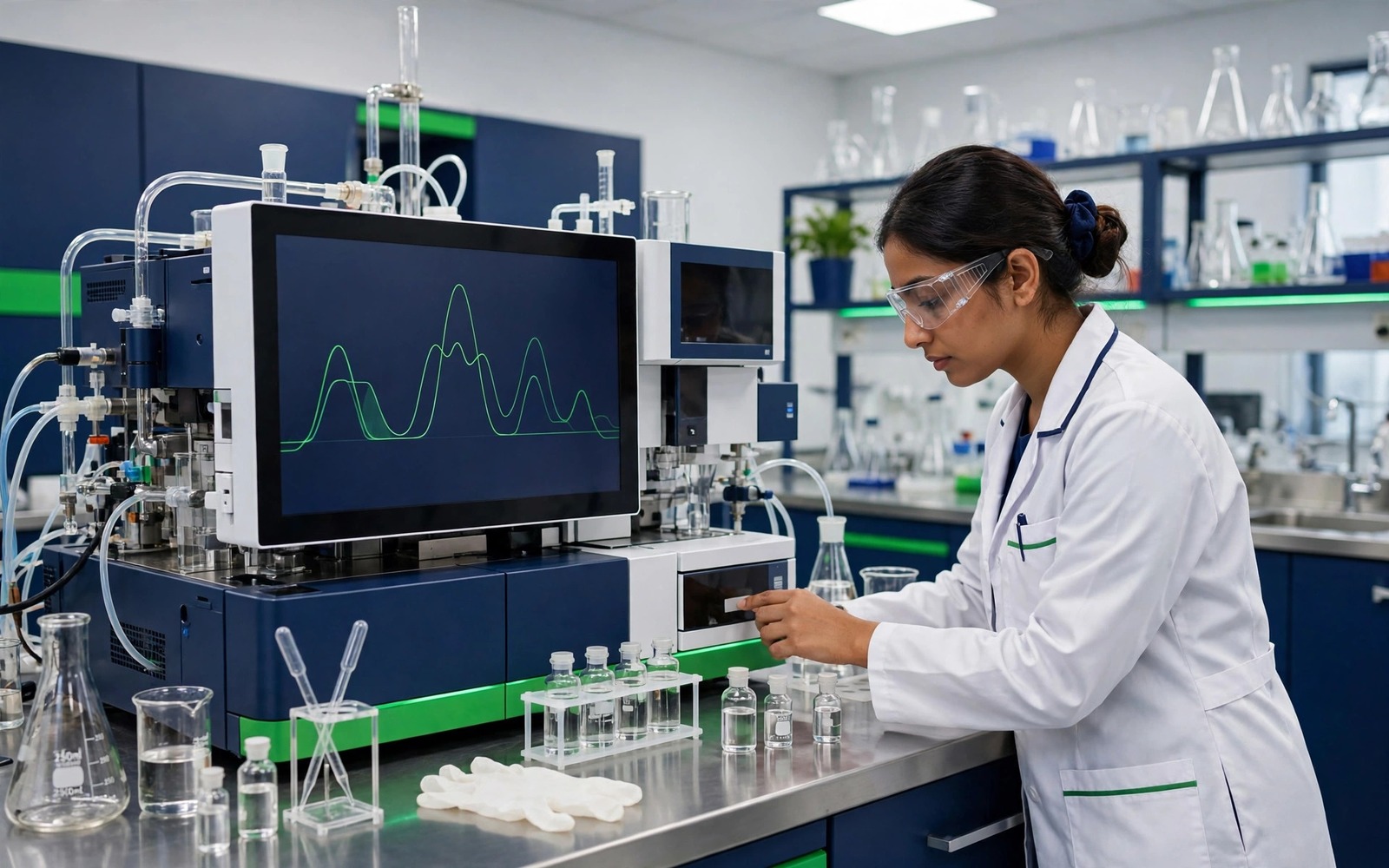
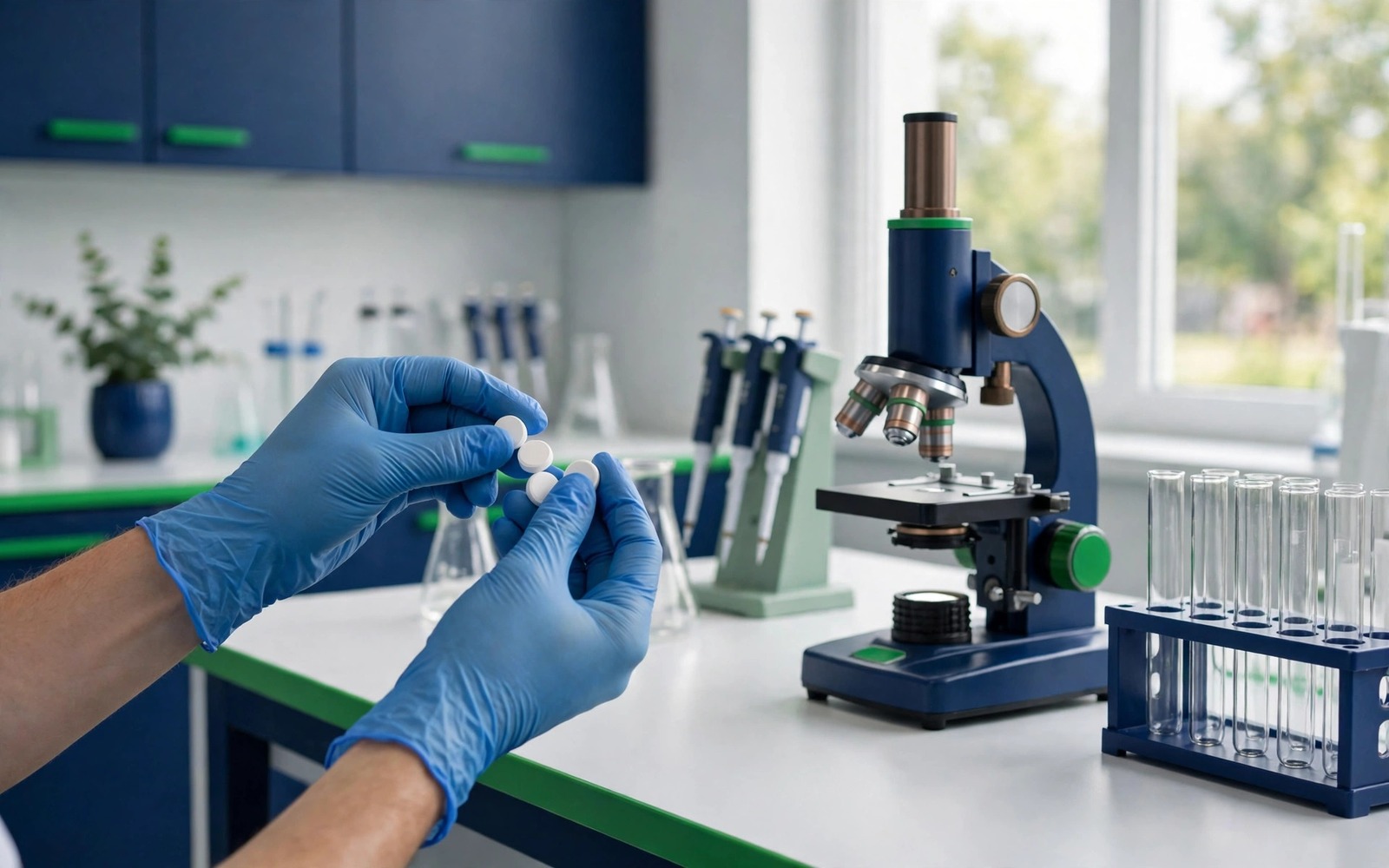
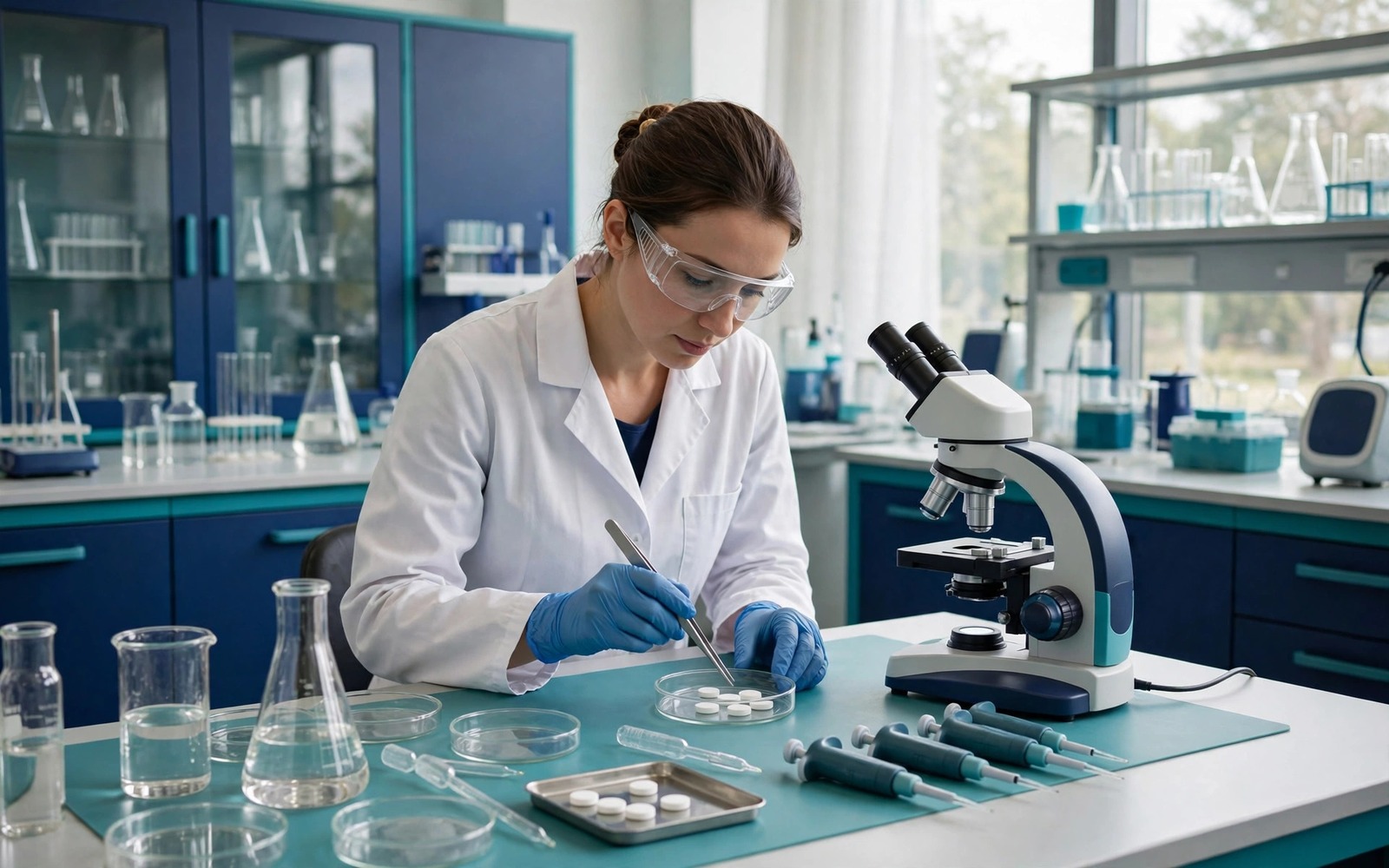
In Pakistan, medicines are tested by federal laboratories such as the Central Drugs Laboratory (CDL) in Karachi and by provincial drug testing laboratories. Drug inspectors collect samples from manufacturers, distributors and pharmacies; analysts test identity, strength, purity and dissolution against pharmacopoeia standards. Failed results are declared spurious, substandard or adulterated and can lead to DRAP alerts, recalls and prosecution.
What the lab tests
Analysts compare each sample with its registered specification and pharmacopoeia standards (British or US Pharmacopoeia). A fail on any critical test means the batch is not of standard quality. See spurious vs substandard.
01
Is the right active ingredient present at all? Counterfeits often contain none, or a cheaper substitute.
02
How much active ingredient is in each dose, usually by HPLC. Too little means treatment fails; too much risks toxicity.
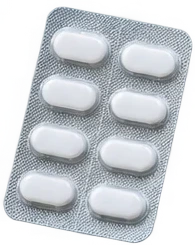
03
Does the tablet release its drug in the body as designed? A tablet can contain the right dose yet not dissolve.
04
Degradation products and contaminants must stay below strict limits.
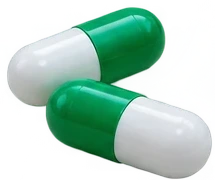
05
Essential for injections, infusions and eye drops, where contamination can be life-threatening.

06
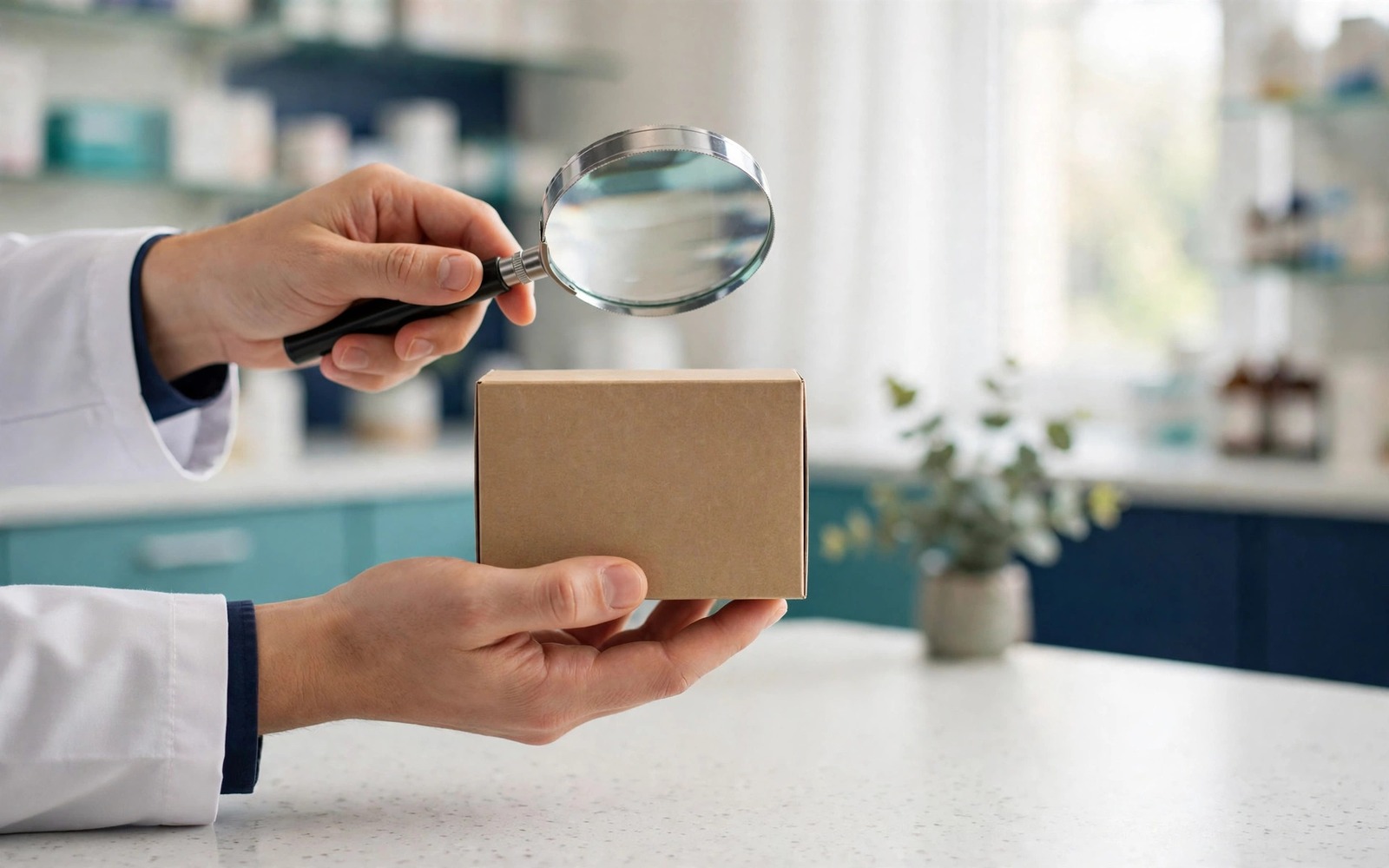
Labels, batch details and packaging are checked against the registered product.
Step by step
Federal or provincial drug inspectors collect samples during routine inspections or after complaints, including patient reports.
The sample is coded and tested against the registered specification and pharmacopoeia methods.
The lab issues a report declaring the sample of standard quality, or substandard, spurious, adulterated or misbranded.
DRAP can issue a rapid alert, order a recall and refer cases to drug courts.
Packaging checks, batch alerts and track and trace all test identity: is this the pack the manufacturer made? None of them can see inside a tablet. A sophisticated counterfeit can pass every visual check; a genuine product can be substandard because of a manufacturing or storage failure.
That's why your reports matter. When a medicine doesn't work or causes unusual effects, a report can get that batch sampled and tested. Our tools help you find likely problems quickly, then the lab provides proof.
Under the Drugs Act 1976, laboratory findings fall into defined categories. These are the words you'll see in DRAP notices:
Use the first column every time; the lab handles the second.
| Check | Who | Proves |
|---|---|---|
| Batch against alerts | You (batch check) | Batch already found bad |
| Serial verification | You (DRAP portal) | Pack identity |
| Pack inspection | You (checklist) | Visible signs of fakes |
| Identity & assay | Drug testing laboratory | What's inside, and how much |
| Dissolution & sterility | Drug testing laboratory | Whether it works and is safe |
Important
Labs mainly test samples collected by drug inspectors. The practical route for a patient is to report the medicine to DRAP or your provincial health department with the pack and receipt, so an inspector can collect and submit it.
Direct answers about drug testing laboratory Pakistan.
Federal labs such as the Central Drugs Laboratory in Karachi and provincial drug testing laboratories, working with DRAP and provincial drug inspectors.
Drug inspectors collect samples from manufacturers, distributors and pharmacies, routinely or after complaints. See also: Counterfeit drugs in Pakistan.
Identity, assay (strength), dissolution, impurities, and for injections sterility and endotoxins, against pharmacopoeia standards. See also: Counterfeit drugs in Pakistan.
Usually through a complaint. Report to DRAP on 0800-03727 and an inspector can take a sample.
It varies with the tests needed and lab workload; alerts are published once results are confirmed. See also: Counterfeit drugs in Pakistan.
Updated 11 November 2026. DrugTrace.pk is independent and not affiliated with DRAP.
Topic hub
What fake, spurious and substandard medicines are and how they are caught.
Related topics
 Basics
Spurious, falsified, counterfeit, substandard, adulterated, misbranded: plain-English definitions of the words used in Pakistani drug alerts.
4 min read
 Taking action
A plain-language roundup of notable DRAP rapid alerts published in 2026: what was found, which batches, and what to do if you have them.
6 min read
 Taking action
Exactly who to contact, what evidence to keep, and what happens after you report to DRAP.
4 min read