01
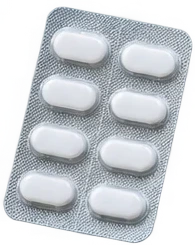
Tablets & capsules
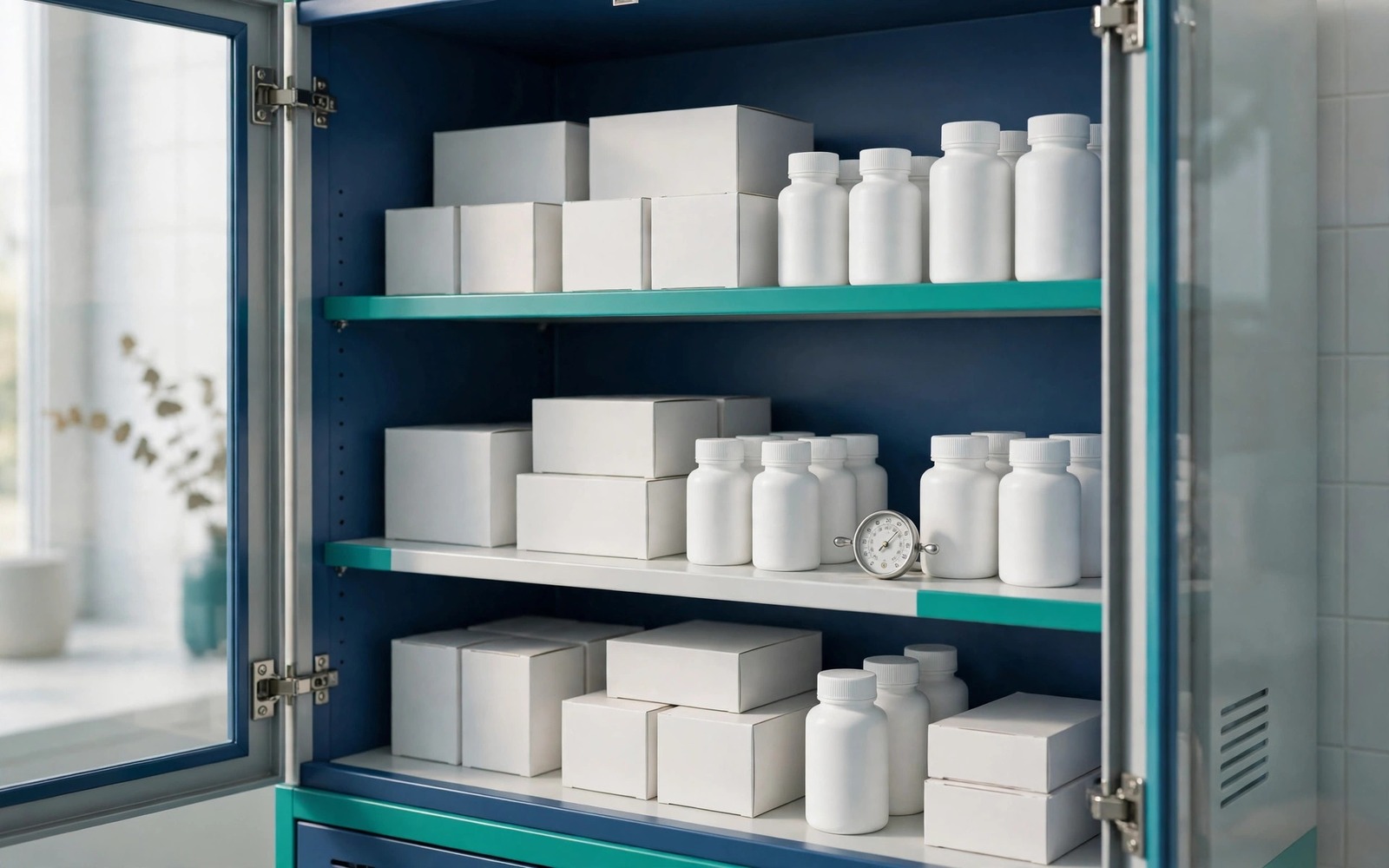
Usually below 25°C or 30°C, in the original strip, away from humidity. Bathrooms and kitchens are the worst places.
Pakistan's Medicine Verification Platform· Independent, not part of DRAP
DRAP helpline: 0800-03727 Alerts updated Nov 11, 2026
Keep medicines working
A genuine medicine can still fail if it's stored badly. Summer temperatures across Pakistan regularly exceed what most medicines are designed for. Here's what each type needs and how to spot cold-chain problems before you buy.
Quick answer
Most tablets and capsules should be stored below 25–30°C, dry and out of sunlight. Unopened insulin, vaccines and many injections need a refrigerator at 2–8°C and must never freeze. Always follow the storage line on the carton. In Pakistan's summer, never leave medicines in a car, near a window or in a hot kitchen, and buy cold-chain products only from pharmacies with a working medical fridge.
Storage by medicine type
The storage line on the carton (e.g. “Store below 30°C. Protect from light and moisture”) is the rule. These are the common patterns. For dates after opening, use the expiry calculator.
01
Usually below 25°C or 30°C, in the original strip, away from humidity. Bathrooms and kitchens are the worst places.
02
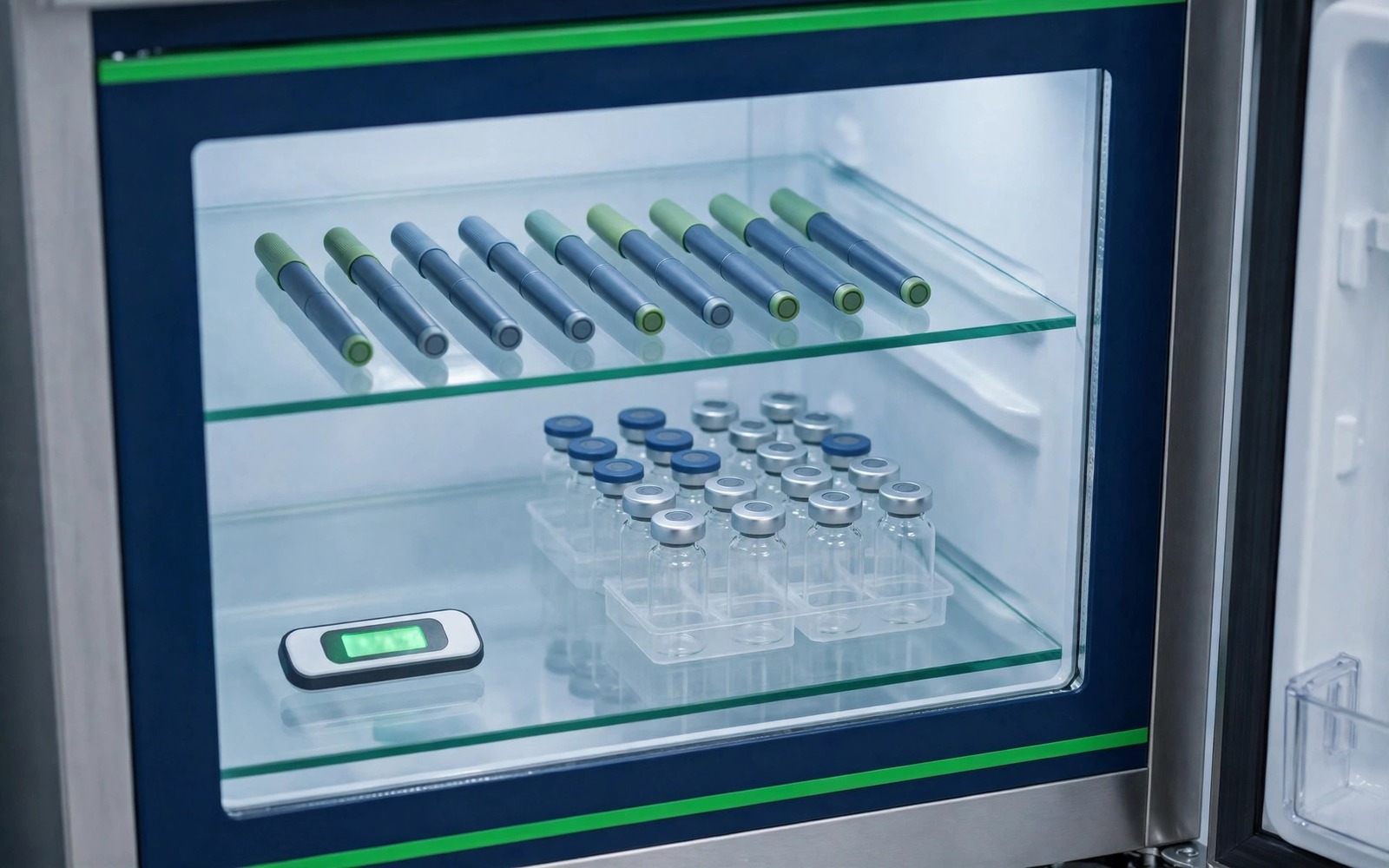
Unopened: 2–8°C. In-use pens or vials can usually stay at room temperature for a limited period (often 4–6 weeks), away from heat.
03
Strictly 2–8°C from factory to arm. A vaccine kept warm or frozen can look normal but lose effect.
04
Room temperature unless stated; reconstituted antibiotic suspensions often need the fridge and expire in 7–14 days.

05
Discard a set time after opening (often 28 days). Some need refrigeration. See fake eye drops.
06
Melt or separate in heat. If texture or colour changes, don't use.
Step by step
A bedroom cupboard away from windows, the stove and bathroom steam. Never on top of the fridge, where heat collects.
Strips and cartons protect from light and moisture and keep the batch and expiry with the medicine.
Not the door (temperature swings) and not against the back wall (risk of freezing). A cheap fridge thermometer helps.
For insulin and other cold-chain medicines, use an insulated pouch. Never leave medicines in a parked car.
For insulin, vaccines and many biological injections, the cold chain matters as much as authenticity. A genuine vial kept at 35°C for days may no longer work. Watch for these signs before you buy:

Heat-damaged medicines and fakes can look similar: discoloured tablets, sticky capsules, separated creams. Either way, don't use them. But the cause matters for what you do next: heat damage is a storage problem at home or at the pharmacy; counterfeits are a crime to report.
If a pack looks wrong, check the batch with our alert checker, inspect it with the checklist, and ask the pharmacist. If the batch is flagged or the pack fails inspection, report it.
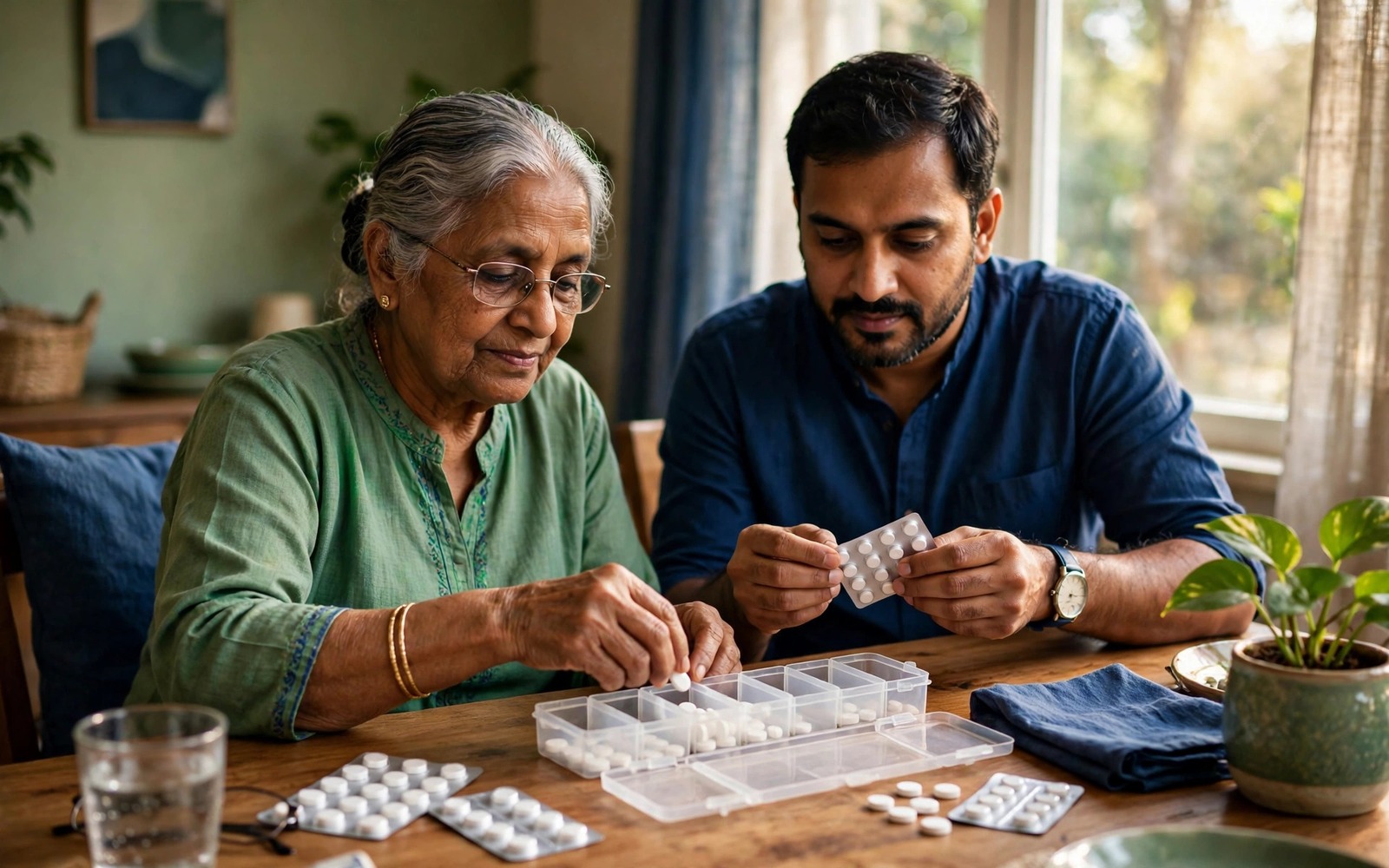
Power cuts are a real risk to fridge-stored medicines in Pakistan. A closed fridge usually holds 2–8°C for a few hours. Keep the door shut, store a few frozen water bottles in the freezer as a cold reservoir, and move insulin to an insulated pouch with a cool (not frozen) gel pack if an outage runs long.
In-use insulin pens are designed to tolerate room temperature for weeks, so a short outage rarely ruins them. Unopened stock is more sensitive over long periods. If in doubt, ask your pharmacist before using.
What the words on the carton actually mean.
| Label says | Means | Where at home |
|---|---|---|
| Store below 25°C | Cool room temperature | Bedroom cupboard; avoid summer heat |
| Store below 30°C | Room temperature (hot climates) | Shaded cupboard, never a car |
| Store at 2–8°C | Refrigerate | Middle shelf of fridge, not the door |
| Do not freeze | Freezing destroys it | Away from fridge back wall/freezer |
| Protect from light | Light degrades it | Keep in carton or amber bottle |
| Protect from moisture | Humidity damages it | Not the bathroom; keep desiccant in |
Important
If a medicine has changed colour, smell, texture or clarity, or a cold-chain product may have frozen or overheated, ask a pharmacist before using it. Learn more in is expired medicine safe?
Direct answers about medicine storage temperature.
Most tablets and capsules below 25–30°C, dry and out of light; refrigerated products at 2–8°C. Always follow the carton's storage line. See also: How to read a medicine label.
Keep unopened insulin in the fridge at 2–8°C. In-use pens can stay at room temperature for the period on the leaflet, but keep them out of heat and sunlight and use a cool pouch when travelling. See also: How to read a medicine label.
Better not: the door has the biggest temperature swings. Use the middle shelf. See also: How to read a medicine label.
No. Insulin that has frozen should not be used, even after thawing. See also: How to read a medicine label.
Many do. Heat can reduce potency and change how tablets dissolve, even before the expiry date.
Updated 11 November 2026. DrugTrace.pk is independent and not affiliated with DRAP.
Topic hub
Read labels, store medicines correctly and buy from the right place.
Related topics
 Basics
Which expired medicines are risky, which just lose strength, and how heat and humidity in Pakistan change the answer.
4 min read
Spotting fakesInjectables are among the most frequently falsified medicines in Pakistan. Learn the vial, ampoule and cold-chain checks that matter.
6 min read
 Basics
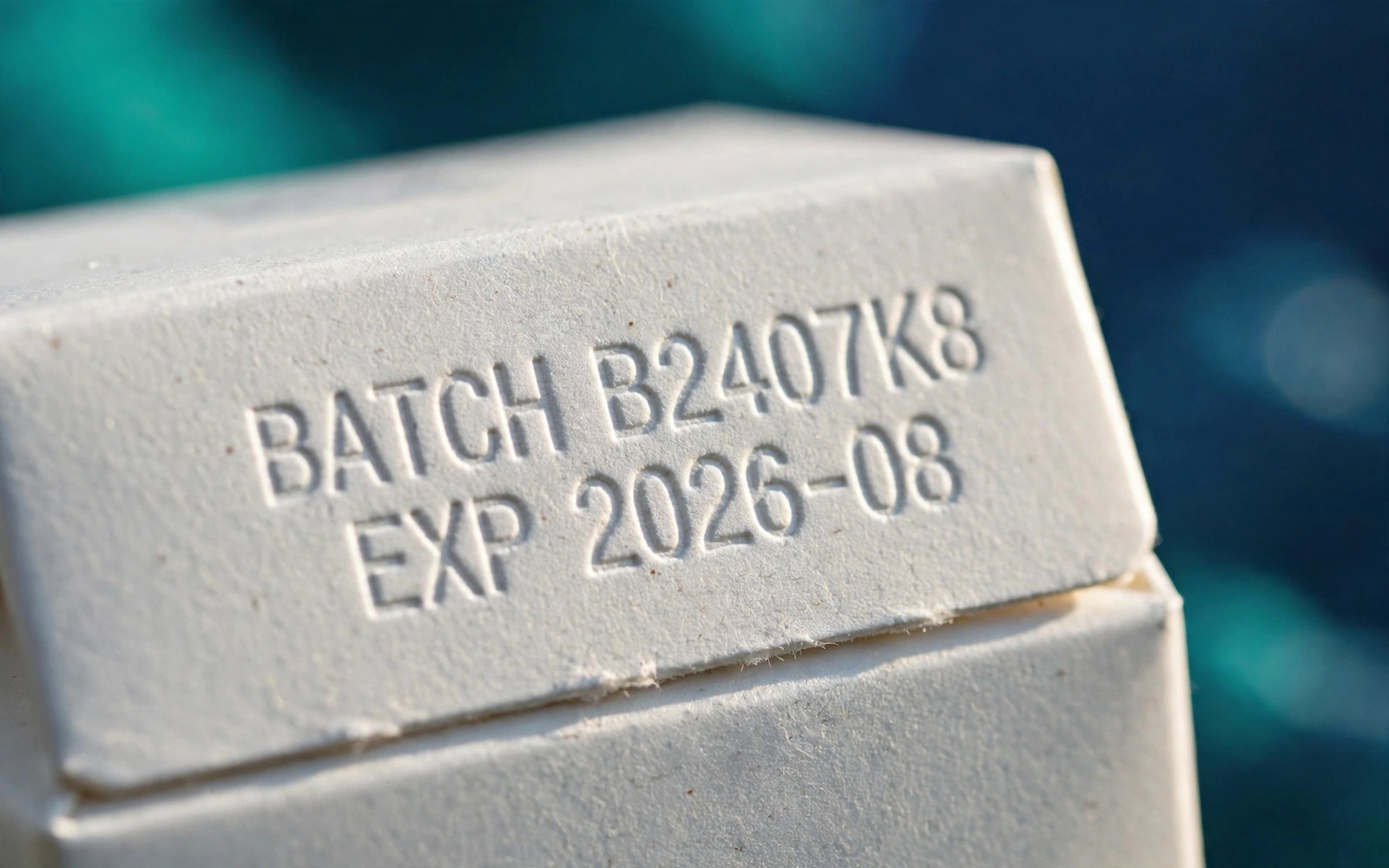
What B.No, Mfg, Exp, Reg. No. and M.R.P. mean, where to find them, and how to read every date format.
5 min read